Garden design and build in Acton
If you are looking for garden design and build in Acton, you are probably ready to turn an awkward outside space into something that works properly for everyday life. In a busy part of West London like Acton, gardens often need to do a lot: offer a place to relax, create room for children to play, provide practical storage, make access easier, and still look attractive throughout the year. The right design and build approach brings all of those needs together in one joined-up plan.
Acton has a wide mix of homes and businesses, from Victorian terraces and mansion blocks to newer developments, converted flats, family houses, and commercial premises near busy roads and transport links. That variety matters, because every site presents different conditions. Narrow access, shared boundaries, overlooked gardens, compact courtyards, sloping plots, and limited parking can all affect how a project is planned and delivered. A local team understands these realities and can shape the work around them.
Garden design and build is about more than planting and paving. It is the process of creating an outdoor space that feels considered, practical, and suited to the property. Whether you want a low-maintenance family garden, a modern entertaining area, a calm planting scheme, or a more durable commercial outdoor space, the goal is to make sure the finished result suits how you live and use the space.
Why Acton homeowners and businesses invest in professional garden design

Many customers in Acton start with a simple problem: the garden is underused, difficult to maintain, or not making the most of the available space. A professional design service helps to solve those issues by creating a clear plan before any building work begins. That planning stage is especially valuable where space is tight or where the garden has several competing needs.
In a residential setting, a good design can make a small garden feel larger, create better flow between indoor and outdoor areas, and improve privacy from neighbouring properties. In commercial settings, such as offices, hospitality spaces, or managed developments, it can make external areas more welcoming, easier to maintain, and more suitable for staff or customers.
The best projects begin with how you want to use the space. Do you need somewhere for dining, a lawn for children, planted borders for year-round interest, or a paved area that is easy to keep clean? Once those priorities are clear, the layout, materials, planting, and construction details can be developed to match them.
Local conditions that influence garden projects in Acton
Acton’s urban setting means a project often has to work around practical constraints. These can include restricted side access, rear access through the property, limited storage for materials, on-street parking rules, shared alleyways, and close neighbouring walls or fences. A local team plans for these issues early so the build runs more smoothly.
Weather exposure can also matter. Some gardens are sheltered by surrounding buildings, while others are open to wind or get deep shade for part of the day. A well-designed garden takes account of sun patterns, drainage, soil conditions, and how much maintenance the owner is willing to do.
Good design makes the garden easier to live with every day, not just better to look at on completion day.
Our garden design and build approach

When people ask about garden design and build in Acton, they usually want to know what is actually included. A full service normally covers the thinking, planning, preparation, construction, and finishing details required to deliver a coherent outdoor space. That can involve everything from layout ideas and hard landscaping to planting and final finishing touches.
The benefit of using one team for both design and build is continuity. The same practical thinking runs through the whole project, so there is less risk of a design that looks good on paper but proves awkward to construct. This matters in real homes, especially where access is tight or where existing features need to be kept in use during the works.
For Acton customers, that joined-up approach can save time and reduce disruption. It also helps ensure the finished garden feels intentional rather than pieced together in stages without a clear plan.
What a typical project may include
- Initial discussion about your goals, budget range, and how you want to use the garden
- Site assessment, including levels, access, drainage, boundaries, and existing features
- Design ideas for layout, materials, planting style, and key functional areas
- Groundworks and preparation, including clearance and removal of unwanted features
- Construction of patios, paths, retaining features, steps, edging, and other hard landscaping
- Installation of lawns, planting beds, trees, shrubs, or structural planting
- Finishing details such as lighting, decorative gravel, timber features, or screening
- Final tidy-up so the space is ready to use
Some projects are simple and focused, while others are more involved. A compact courtyard might need clever layout and planting, whereas a larger family garden may include multiple zones, storage, a lawn, and seating areas. Each design should respond to the property rather than follow a one-size-fits-all formula.
Design ideas suited to Acton properties

Acton has many gardens that benefit from smart, space-saving ideas. Smaller rear gardens, side returns, and urban courtyards can all look much better when the layout is carefully thought through. Even modest changes to levels, edges, or paving lines can make a big difference to how the space feels.
For period homes, many owners want a design that respects the character of the property while improving everyday use. That might mean using traditional materials in a modern layout, adding planting that softens brickwork and fencing, or creating a more generous connection between the kitchen and garden. For newer homes, the focus may be on clean lines, contemporary surfaces, and low-maintenance planting.
For commercial customers, the priorities are often durability, easy upkeep, and visual presentation. A courtyard, frontage, or shared outdoor area should look tidy, feel welcoming, and stand up to regular use. The materials chosen need to support that, while still matching the overall appearance of the building.
Popular features for local gardens
In Acton, customers often ask for:
- Modern paving with clean edges
- Raised beds for structure and easier planting
- Timber or composite screening for privacy
- Low-maintenance planting schemes
- Outdoor seating areas for dining or relaxing
- Subtle garden lighting for evening use
- Lawns that are sized appropriately for the space
- Practical storage solutions that do not dominate the garden
Careful design is what turns a list of features into a garden that feels balanced.
How the build phase works

Once the design is agreed, the build stage begins. This is where planning turns into a finished outdoor space. Depending on the scope of work, the process may involve clearing the area, removing old paving or planting, adjusting levels, installing drainage, and building the hard landscaping elements that define the layout.
In Acton, logistics can be an important part of the build. Materials may need to be brought through narrow access points, waste may need to be removed carefully, and deliveries may have to be timed around parking or access limitations. A local team is used to working around these realities and can plan the site setup accordingly.
Good build work is as much about accuracy as it is about appearance. Patios need to be laid properly, steps need to feel safe and comfortable, borders should be well defined, and drainage must be considered so water does not gather where it should not. When the build is carried out properly, the garden not only looks better but performs better for years to come.
Common hard landscaping elements
- Patios: for dining, seating, and easy outdoor access
- Paths: to connect zones and improve movement through the garden
- Retaining walls and edging: to shape space and manage level changes
- Steps: for gardens with terraces, split levels, or changes in height
- Driveway-adjacent features: where front garden redesign is part of the project
- Sleepers, timber frames, and planting structures: to bring form and definition
Every element should be chosen for a reason. A strong build is not just visually neat; it also makes the whole garden easier to use and maintain.
Planting, finishes, and the details that complete the space
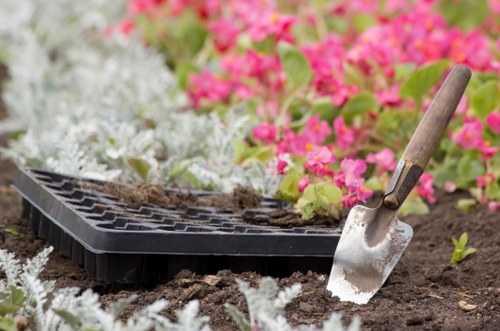
The final appearance of a garden depends heavily on the planting and finishing details. A patio or lawn can be well built, but if the planting is too sparse, too difficult to maintain, or not suited to the conditions, the garden may still feel unfinished. That is why planting plans are a central part of any well-designed project.
In Acton, many customers want planting that provides structure across the seasons without creating too much work. This can mean a mix of evergreen plants, flowering shrubs, ornamental grasses, climbers, and selected trees. For smaller plots, vertical planting and layered borders can add interest without taking up too much room.
Finishing touches can also include discreet lighting, decorative gravel, seat walls, screening, and edging. These details help connect the different parts of the garden and create a more polished result.
Benefits of thoughtful planting
Planting is not just decorative. It can:
- Softening hard surfaces and brickwork
- Improve privacy and screening
- Add movement, colour, and texture
- Support wildlife and seasonal interest
- Help a space feel more established
- Reduce the hard, urban feel of compact gardens
Well-chosen plants can transform a simple layout into a garden with personality.
Why use a local Acton company?
There are practical advantages to choosing a local team for garden design and build in Acton. A nearby company is more likely to understand the character of local streets, the typical plot sizes, and the access issues that often come with West London properties. That experience can help avoid delays and make communication easier throughout the job.
Local knowledge is especially useful when working on properties in and around areas such as South Acton, North Acton, East Acton, Acton Central, and nearby parts of Ealing, Shepherd’s Bush, Chiswick, and Gunnersbury. Even within a relatively small area, garden conditions can vary quite a lot depending on the age of the property, the garden orientation, and whether the home is part of a terrace, a flat conversion, or a modern block.
It also helps to use a team that understands the rhythm of local residential and commercial areas. For example, a project near a busy road may need different planning from one on a quieter residential street. Similarly, work on a shared courtyard or managed site may need more careful coordination than a private rear garden.
Reasons customers choose a local service
- Familiarity with local property types and common garden layouts
- Better understanding of access, parking, and delivery constraints
- Easier site visits and more responsive communication
- Practical experience with compact urban spaces
- Ability to design with local lifestyle needs in mind
When a team knows the area, they are more likely to suggest solutions that genuinely work in your setting rather than relying on generic ideas.
Residential garden design and build for Acton homes
Many local enquiries come from homeowners who want to make better use of a rear garden, side return, front garden, or courtyard. In family homes, the garden often needs to be safe, versatile, and easy to keep tidy. For smaller households or busy professionals, the priority may be creating a calm, attractive space that requires less maintenance.
Residential projects often begin with questions such as: How much lawn should there be? Do we need more seating? Is privacy important? Should the design include child-friendly areas, storage, or space for entertaining? These questions shape the final layout and the materials used.
For properties in Acton, especially those with limited outdoor square footage, the design should make every metre count. That may involve using diagonal lines to create a sense of width, keeping circulation routes clear, or introducing layered planting so the space feels fuller without becoming cluttered.
Examples of residential goals
- Create a garden that is easier to maintain
- Improve the flow from kitchen or living area to outside space
- Make room for dining and relaxation
- Add privacy from neighbouring windows and gardens
- Rework an old, uneven, or tired layout
- Prepare a property for future family use or resale appeal
If you are planning a change to your home, a carefully thought-out garden can add real day-to-day value as well as visual appeal.
Commercial garden and external space solutions
Acton also has businesses and managed properties that benefit from professional garden and external space work. Commercial outdoor areas need to look smart, be practical to maintain, and stand up to regular use. That can include frontages, courtyards, shared amenity spaces, access routes, or landscaped areas around offices, hospitality venues, and residential developments.
For commercial customers, consistency matters. The design should be durable and simple to care for, with materials that can handle foot traffic and changing weather conditions. Planting should be chosen with maintenance in mind, and the layout should support safe access and clear movement around the site.
Because commercial work often involves multiple stakeholders, the service also needs to be well organised. Clear scheduling, careful planning, and practical decision-making all help keep the project on track.
Commercial priorities often include
- Durable paving and edging
- Simple, robust planting schemes
- Clear access routes
- Low ongoing maintenance
- Good first impressions for visitors and staff
- Safe, tidy outdoor spaces that suit the building
A well-designed external area can improve the overall feel of a commercial property without creating unnecessary upkeep.
What to expect during the process
If you are considering a new garden in Acton, it helps to know how the work usually progresses. While every project is different, the process often follows a straightforward path from initial discussion through to completion. This keeps the project organised and helps ensure the final space matches your expectations.
The first stage is usually a conversation about your ideas, the way you use the space, and any issues you want to solve. From there, a site visit may be arranged to assess the garden properly. That visit is important for understanding access, dimensions, levels, materials, and any existing features worth keeping or removing.
Once the scope is clear, the design can be developed and the build planned. Depending on the project, that might involve phased work, especially if the garden needs to remain usable during part of the process. A good local team will explain what is involved and keep communication clear throughout.
Typical project stages
- Initial enquiry and discussion
- Site assessment and practical review
- Design ideas and scope of works
- Agreement on materials and layout
- Preparation and groundworks
- Construction and installation
- Planting and finishing
- Final checks and tidy-up
For many customers, the biggest relief is having one clear plan that brings all the elements together.
Preparation checklist before work begins
To help a project run smoothly, it is useful to prepare a few things in advance. You do not need to have every detail worked out, but a little planning makes the start of the job more efficient and helps avoid delays.
Useful things to think about before your project starts
- How you want to use the space day to day
- Whether privacy is a concern
- Any plants, trees, or features you want to keep
- How much maintenance you are comfortable with
- Preferred styles, colours, or materials
- Whether the garden needs areas for children, pets, dining, or storage
- Any access issues the team should know about
- Where materials and waste might need to be moved
You do not need a finished idea before requesting a quote. Often, the most helpful part of the process is discussing the space with someone who can turn broad ideas into a workable plan.
Pricing factors to consider
Every garden project is different, so it is better to think in terms of project factors rather than fixed prices. The overall cost will depend on the size of the space, the complexity of the design, the materials selected, the amount of groundwork needed, and the access available for labour and deliveries.
In Acton, access can have a real influence on cost and timing. A garden that is easy to reach from the street may be simpler to work on than one that requires materials to be carried through the property or up several levels. Similarly, a site with poor drainage, uneven levels, or old hard landscaping may need more preparation before the visible work can begin.
Material choices also make a difference. Natural stone, porcelain, timber, composite products, brick edging, and specialist planting all have different practical considerations. A local company should be able to talk you through options that suit both the design and the realities of the site.
What usually affects the quotation
- Size and shape of the garden
- Amount of demolition or clearance required
- Ground conditions and drainage needs
- Choice of paving, timber, fencing, and planting materials
- Level changes, steps, or retaining works
- Site access and parking constraints
- Whether lighting, irrigation, or other extras are included
Requesting a quote is the best way to understand the likely scope for your own property.
Areas covered around Acton
Customers seeking garden design and build in Acton often come from the surrounding neighbourhoods as well as the town itself. A local service can usually cover nearby parts of West London where similar property types and access conditions are common.
- South Acton
- North Acton
- East Acton
- Acton Central
- Acton Green
- West Acton
- North Ealing
- Chiswick borders
- Shepherd’s Bush borders
- Gunnersbury and nearby areas
If your property is just outside Acton, it is still worth getting in touch to check whether your location can be covered.
Frequently asked questions
How long does a garden design and build project take?
The timeline depends on the size and complexity of the work, the weather, material availability, and access conditions. A simple redesign may move much faster than a full transformation involving hard landscaping, drainage, and planting.
Can you work with a small garden?
Yes. Small gardens often benefit the most from thoughtful design because every part of the layout needs to work hard. Compact spaces can still have separate zones for seating, planting, and storage if the design is handled well.
Do I need a full design before starting?
Not always. Some customers know exactly what they want, while others need help shaping the ideas. The process can be adapted to the level of support you need.
Can the garden be made lower maintenance?
Yes. Material choice, planting style, layout, and lawn size all affect maintenance. If you want less upkeep, that can be built into the design from the start.
Do you work on both homes and commercial properties?
Yes. Many local providers handle residential gardens as well as commercial outdoor spaces, frontages, and shared areas.
What if access is difficult?
That is common in Acton and nearby parts of West London. Access issues can usually be planned around, but they should be discussed early so the team can prepare properly.
Can I request a quote for part of the project only?
Yes, depending on the scope. Some customers want a full design and build package, while others need help with a specific stage such as paving, planting, or structural landscaping.
Ready to improve your outdoor space?
If your garden in Acton feels cramped, dated, difficult to maintain, or simply not very usable, now is a good time to explore the possibilities. A well-planned outdoor space can change how you use your home or business premises every day. It can add comfort, better flow, improved privacy, and a stronger connection between the inside and outside of the property.
Request a free quote if you are ready to discuss ideas, compare options, or move forward with a project plan. Whether you need a complete redesign, a new patio, improved planting, or a full garden design and build in Acton service, a local team can help shape the right solution for your space.
Contact us today to talk through your project and take the first step towards a garden that suits the way you live and work.