Health and Safety Policy for Landscaping Acton
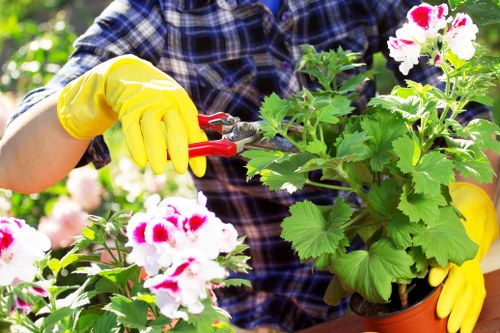 Our health and safety policy sets out how landscaping work in Acton is planned and carried out with care, control, and respect for people, property, and the environment. We are committed to reducing risk at every stage of a project, from initial site preparation to completion of outdoor improvements. This policy applies to all employees, contractors, and anyone involved in our landscaping operations.
Landscaping activities can involve moving heavy materials, using power tools, working near traffic, handling soil and plants, and operating in changing weather conditions. Because of this, safety is not treated as an afterthought. It is built into daily decisions, work planning, and site supervision. Our aim is to prevent accidents, protect workers, and ensure that each landscaping project is completed in a controlled and responsible manner.
We expect every person involved in Acton landscaping services to understand the hazards associated with the task they are performing and to follow the appropriate precautions. This includes using correct manual handling methods, maintaining clear working areas, and stopping work when conditions become unsafe. Where a risk cannot be removed completely, it must be managed through suitable controls, supervision, and approved equipment.

Responsibility and Safe Working Standards
All staff have a duty to work safely, report hazards, and follow instructions. Supervisors are responsible for checking that work methods are suitable, that equipment is in good condition, and that the team has the right information before starting. Managers are responsible for reviewing risk assessments, maintaining records, and making sure that safety expectations are applied consistently across every job.
Risk assessment is central to our landscape safety policy. Before work begins, potential dangers are identified and evaluated. These may include uneven ground, slippery surfaces, buried services, sharp tools, tree work, dust, noise, and exposure to chemicals. Controls are then selected to reduce the likelihood of harm. Where needed, work is scheduled to avoid unnecessary exposure and protect both workers and the public.
Equipment, Tools, and Protective Measures
All machinery, tools, and vehicles used in landscaping projects must be suitable for the task and properly maintained. Defective items are removed from service until repaired or replaced. Guards, safety devices, and emergency controls must never be bypassed. Workers are trained to inspect equipment before use and to report problems immediately so faults do not create additional danger.

Personal protective equipment is provided where required and must be worn correctly. Depending on the task, this may include gloves, eye protection, hearing protection, high-visibility clothing, safety footwear, or respiratory protection. PPE is the final barrier rather than the first line of control, so it must be used alongside safe methods of work, careful supervision, and practical site organisation.
Working around the public is another important part of our policy. Landscaping sites may be close to homes, footpaths, roads, and shared access areas, so barriers, warning signs, and tidy work zones are used to reduce risk. Materials are stored securely, pathways are kept clear, and vehicles are moved with caution. When conditions change during the day, the work plan is reviewed so safety remains the priority.
Health protection is also included in our approach. Landscaping can involve repetitive movement, lifting, digging, exposure to allergens, and contact with waste or treated surfaces. We reduce the chance of strain and illness by encouraging good posture, planning rest breaks, rotating tasks where possible, and providing hygiene measures such as handwashing and suitable cleaning facilities. Any work involving hazardous substances is handled according to the relevant instructions and controls.

Training, Communication, and Incident Response
Training is essential to safe landscape maintenance and construction work. Workers receive instruction relevant to their duties, including manual handling, tool use, hazard awareness, and emergency action. New starters are introduced to site rules before work begins, and refresher training is provided when methods, equipment, or risks change. Clear communication helps ensure that everyone understands the task and the precautions required.
We also maintain a straightforward system for reporting incidents, near misses, and unsafe conditions. Every report is taken seriously, investigated, and used to improve future practice. If an accident occurs, first aid is arranged promptly, the area is made safe, and work is paused when necessary. Lessons learned are shared so that similar situations can be avoided in later projects.

Review and Continuous Improvement
Our landscaping health and safety policy is reviewed regularly to make sure it remains effective, practical, and up to date. Reviews consider changes in work methods, equipment, training needs, and common site risks. Feedback from inspections and incident reports is used to strengthen our controls and improve how work is planned and delivered.
We believe that safe landscaping depends on consistency, attention to detail, and a shared commitment to good practice. By promoting safe systems, maintaining equipment, supporting training, and responding quickly to hazards, we create a working environment where people can complete landscaping tasks with confidence and care. This policy applies to all work carried out as part of our Acton landscaping operations and is expected to be followed without exception.